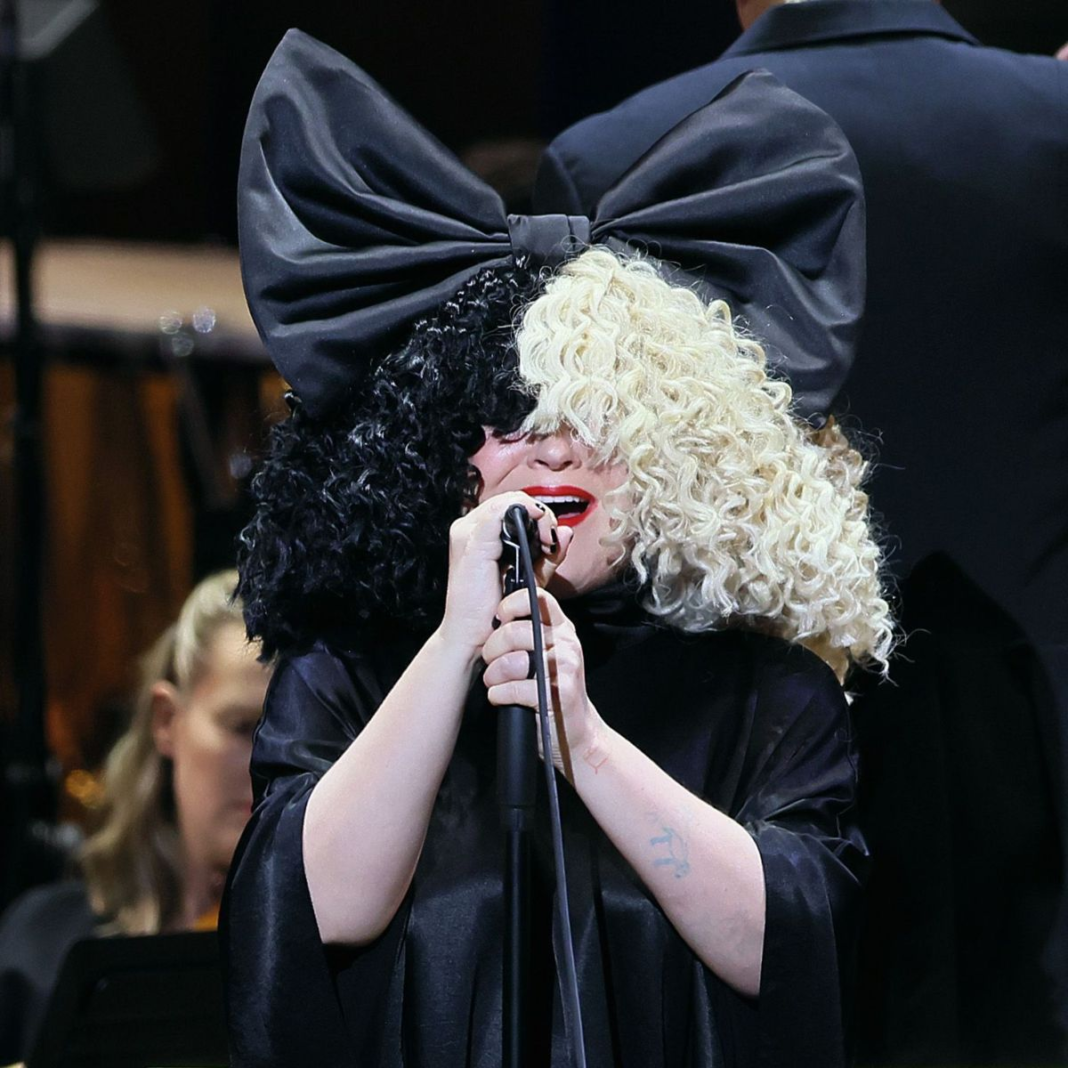
This is one of the most high-profile transactions in the music industry in recent months. Australian singer-songwriter Sia has officially sold a 50% stake in her music catalog to the Swedish investment and entertainment company Pophouse for an estimated $180 million (approximately $164 million net after legal and financial deductions).
Behind this staggering figure lies much more than a simple financial transaction: it reflects the evolution of the music intellectual property market, but also a personal turning point for one of the most enigmatic and prolific artists in modern pop.
A monumental catalog at the heart of the transaction
Acquiring half the rights to Sia’s work is tantamount to getting your hands on one of the most formidable hit-making machines of the 21st century. The agreement encompasses a vast repertoire, including both the immense global hits she has performed herself and the blockbusters she has written for other pop icons.
Among the gems in this catalog are:
Her own global anthems: Timeless tracks like “Chandelier” (which marked a turning point in her solo career in 2014), “Cheap Thrills,” and “Elastic Heart.”
Legendary collaborations: The hit “Titanium,” co-written and performed with David Guetta, continues to rack up hundreds of millions of streams each year.
Hits written for others: As an indispensable songwriter behind the scenes, Sia has composed for the cream of the crop in the industry. The catalog includes major works such as “Diamonds” for Rihanna, as well as tracks tailored for Beyoncé, Eminem, and Britney Spears.
Pophouse: When Investment Meets Stage Innovation
The buyer, Pophouse, is not an anonymous pension fund. Founded in part by Björn Ulvaeus (one of the members of ABBA), this Swedish company specializes in leveraging music catalogs through innovative immersive, technological, and artistic concepts (they are notably responsible for the groundbreaking ABBA Voyage à Londres show, as well as acquisitions and management of artists such as Avicii, Cyndi Lauper, and Tina Turner).
For Pophouse, integrating Sia’s catalog represents a prime asset within its Fund I. Beyond simply collecting broadcasting rights (streaming, radio, advertising sync licensing), the company plans to develop new creative projects around Sia’s visual and musical universe—potentially through futuristic stage experiences, avatars, or the immersive formats for which the firm has become known.
Between Immediate Cash and Personal Reorganization
While selling catalogs has become a widespread trend for major artists (like Bob Dylan, Justin Bieber, and Katy Perry in recent years), the timing of this transaction also comes at a time of transition for the singer.
Recent legal documents have revealed that this financial windfall allows the artist to structure her financial and personal life, particularly in the context of managing her post-divorce situation with her former husband, Dan Bernad, by making controlled payments and establishing secure investment structures.
Those close to the artist have often reiterated Sia’s desire to find a form of long-term peace of mind. After decades spent writing under pressure—first as a ghostwriter for the biggest stars, then under the weight of her own global success, masked by her famous wigs—this massive sale offers her complete financial security and the freedom to slow down and dedicate herself fully to her family and personal projects.
Toward a New Era for Music Publishing
The sale of 50% of Sia’s catalog for $180 million illustrates the robust health of the copyright market. For creators, it’s an opportunity to transform a future revenue stream (subject to the vagaries of trends and platforms) into immediate and guaranteed capital. For investors, it’s the certainty of owning “safe havens” of popular culture, capable of generating stable income decade after decade.
One thing is certain: even with half her rights sold, Sia’s indelible mark on pop culture remains intact, and her melodies will continue to resonate, reinvented in new forms by the visionaries at Pophouse.
What do you think of this trend of artists selling their catalogs? Feel free to share your thoughts in the comments!