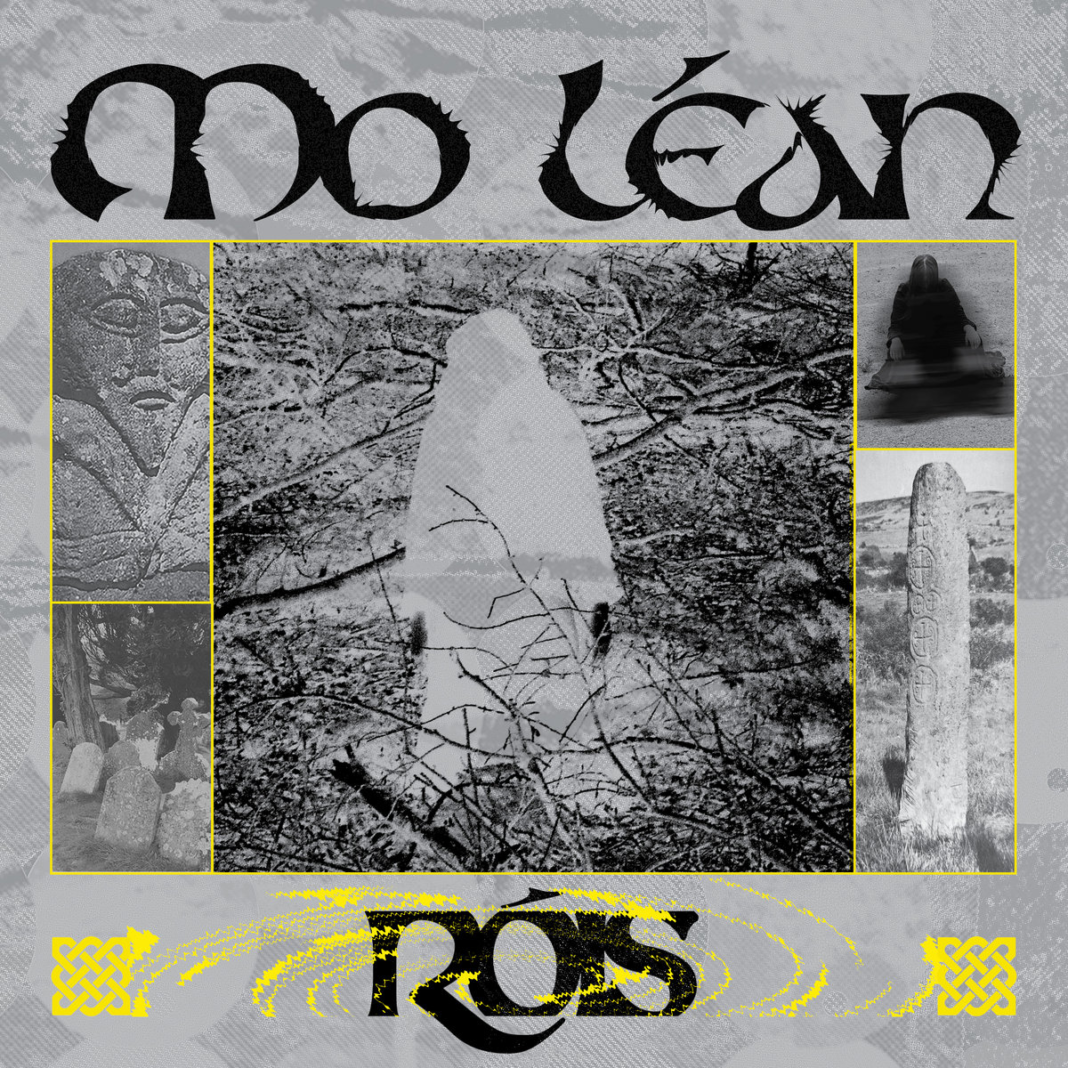
Some albums are made simply to entertain, while others invite listeners into a world of history, emotion and cultural identity. MO LÉAN, by Irish singer, songwriter and multi-instrumentalist RÓIS, belongs firmly in the latter category. A remarkable exploration of grief, remembrance and traditional Irish culture, the album brings ancient musical customs into conversation with contemporary experimental sounds, creating an experience that is as haunting as it is deeply moving.
At the heart of the album is the ancient Irish tradition of caoineadh, or keening, a form of vocal lament traditionally performed by women during wakes and funerals. These gatherings were more than occasions of sadness; they were communal celebrations of life, where singing, storytelling, music and expressions of grief helped honour the departed. RÓIS draws inspiration from these practices, exploring how changing religious attitudes and the effects of colonisation contributed to their decline.
What makes MO LÉAN particularly compelling is the way Connolly approaches this subject without turning the record into a conventional historical tribute. Instead, she combines traditional sean-nós singing, Irish-language influences and familiar religious sounds with experimental production, electronic textures and contemporary musical arrangements.
The opening track, “What Do You Say”, establishes the emotional character of the record, showcasing Connolly’s expressive voice and her ability to move between traditional folk influences and more adventurous musical territory. The three “Angelus” interludes are particularly intriguing. Inspired by the church bells traditionally heard across Ireland, they introduce an atmospheric presence that gradually becomes more distorted and experimental, connecting religious tradition with the album’s darker sonic landscape.
“Cití” offers another fascinating moment, while “Caoine” sits close to the emotional centre of the record. Its haunting vocal delivery captures the spirit of traditional mourning songs, creating an atmosphere that feels both ancient and contemporary. Elsewhere, “Oh Lovely Appearance of Death” confronts mortality through an evocative musical arrangement, while “The Death Notices” provides a brief but meaningful transition. The closing track, “Feel Love”, introduces a different emotional perspective, bringing warmth and tenderness to an album largely concerned with loss and remembrance.
Musically, Connolly demonstrates an impressive understanding of atmosphere and restraint. Her arrangements allow the voice to remain central, while subtle electronic elements and experimental production add unexpected dimensions. There are moments when the music feels almost ceremonial, followed by passages that sound more like contemporary experimental jazz or atmospheric folk.
Her musical background helps explain this eclectic approach. Raised in a family of traditional musicians, Connolly grew up surrounded by Irish folk music, while also developing an appreciation for artists such as The Beatles, Nirvana and David Bowie. Her later interest in techno and jazz further expanded her creative vocabulary, resulting in a sound that refuses to sit comfortably within any single genre.
Ultimately, MO LÉAN is an extraordinary piece of musical storytelling. It challenges the way we think about death, celebrates traditions that deserve to be remembered and demonstrates the enduring power of music as a form of collective expression. RÓIS has created something deeply personal yet culturally significant, an album that finds beauty in sadness and life in remembrance. It is a bold, moving and wonderfully distinctive work that deserves to be heard beyond Ireland’s borders.