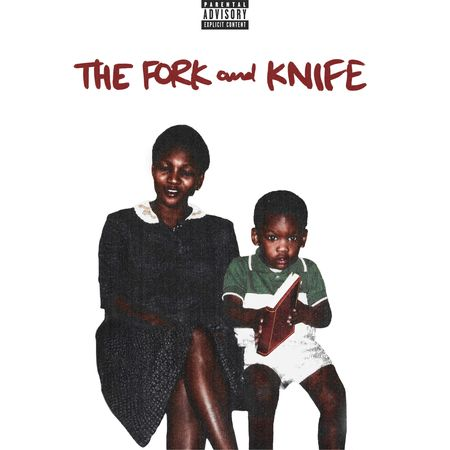
After seven years without a solo studio album, Skepta returns with The Fork and Knife, a record that feels both like a homecoming and a statement of growth. Released on 6 November 2026 through Big Smoke and Epic Records, the 15-track project reconnects the Tottenham-born rapper with grime while allowing him to explore garage, house, jungle and electronic sounds. The result is an album rooted in British music culture but shaped by a much wider story.
At its heart, The Fork and Knife is about identity. Skepta reflects on growing up in Britain as the son of Nigerian immigrants, considering how family, culture and ambition have shaped his life. The album’s title carries a sense of inherited hope: it recalls his grandfather’s wish that future generations would enjoy the comfort and opportunities represented by dining with proper cutlery. What might sound like a simple image becomes a symbol of progress, dignity and the sacrifices made by earlier generations. Skepta turns that family history into a broader celebration of belonging and achievement.
Musically, the album moves between familiar territory and fresh combinations. Grime’s sharp rhythms and commanding energy remain central, but they sit alongside club-focused production, restless breakbeats and more melodic passages. This variety reflects Skepta’s long relationship with sound-system and rave culture. Rather than treating genres as separate boxes, he brings them together in a way that mirrors the mixed influences of contemporary Britain.
The collaborations strengthen that sense of connection across scenes and generations. Aya Nakamura, Asake, Central Cee and Jorja Smith bring different voices and styles, while Chase & Status and Madness frontman Suggs help connect modern dance music with older British musical traditions. “Innocent Smile” is especially significant in the album’s wider conversation about immigration and national identity. Elsewhere, “Belly” gathers grime voices for an extended cypher, reaffirming Skepta’s relationship with the community that helped build his career. “Victory Lap,” featuring Fred again.. and PlaqueBoyMax, shows that he can still engage with younger audiences and current sounds.
The record is not simply a victory speech. Its reflective moments suggest an artist taking stock of his journey, his responsibilities and the meaning of success. At times, the opening stretch revisits familiar musical patterns before the album finds its fuller stride. Yet that gradual development suits a project concerned with looking back, joining separate chapters and understanding how the past informs the present.
The Fork and Knife ultimately succeeds because Skepta makes a personal story feel collective and deeply meaningful. His experience becomes a portrait of immigrant Britain: ambitious, culturally rich and constantly evolving. The album honours grime without being trapped by nostalgia, and celebrates heritage without reducing it to struggle. It is energetic enough for the dance floor, thoughtful enough to reward close listening and confident enough to open doors for the next generation. Seven years on, Skepta sounds not like an artist trying to recreate his past, but one determined to define what comes next.