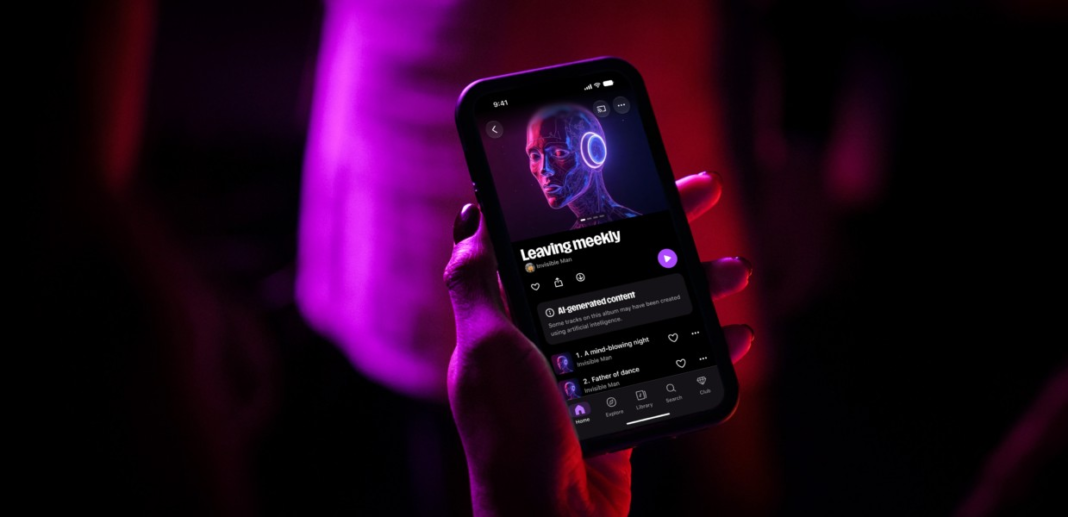
Artificial intelligence is rapidly changing the music industry, transforming how songs are created, produced and distributed. While AI-powered tools have opened new creative possibilities, they have also raised serious questions about originality, music ownership and the future of human musicians. Now, music streaming platform Deezer is taking another step towards addressing these concerns by introducing a new feature that will allow users to filter fully AI-generated music out of their listening experience.
Announced on October 13, 2026, the new feature will give subscribers greater control over the music they discover on the platform. Through a simple on-and-off toggle, listeners will be able to exclude fully AI-generated tracks, albums and associated artists from search results. The feature is expected to roll out globally before the end of 2026, offering music fans the choice to focus on human-created music if they prefer.
The announcement builds on Deezer’s ongoing efforts to improve transparency around artificial intelligence in music. In June 2025, the company became the first major music streaming platform to introduce visible labels identifying albums containing fully AI-generated tracks. It had also developed proprietary detection technology to identify synthetic music and prevent it from appearing in algorithmic and editorial recommendations.
According to Deezer, the new filtering option responds to growing demand from listeners who want more transparency about the music they consume. A survey commissioned by the company in partnership with Ipsos in November 2025 found that 45% of music streaming users wanted the ability to filter out entirely AI-generated music.
The survey also revealed that 80% of respondents believed fully AI-generated songs should be clearly labelled, while 73% wanted to know whether streaming platforms were recommending music created entirely through artificial intelligence. Interestingly, 97% of participants failed to distinguish between human-made and fully AI-generated songs during a blind listening test.
The growing volume of AI-generated music has also influenced Deezer’s decision. The company reports receiving approximately 90,000 fully AI-generated tracks every day, representing more than half of its daily music deliveries during peak periods in June 2026. Between January 2025 and August 2026, Deezer detected and excluded more than 42 million AI-generated tracks from its algorithmic and editorial recommendations. More than 14 million albums have also received AI-generated content labels.
However, the company is making an important distinction between fully AI-generated music and music created with the assistance of artificial intelligence. The upcoming filter will target tracks produced entirely through generative AI systems rather than automatically excluding songs where human musicians have used AI tools as part of their creative process.
Streaming fraud is another major concern behind the move. Deezer estimates that fully AI-generated music accounts for approximately 1% to 3% of total streams on its platform. However, investigations revealed that up to 85% of streams generated by fully AI-generated tracks in 2025 were fraudulent. By identifying manipulated listening activity and excluding fraudulent streams from royalty calculations, the platform hopes to protect legitimate artists and songwriters.
Beyond its own platform, Deezer is also licensing its AI-detection technology to other music industry companies, encouraging wider adoption of transparency measures.
Ultimately, Deezer’s latest announcement represents an important development in the ongoing debate about artificial intelligence and music. Rather than completely rejecting technological innovation, the company is giving listeners the freedom to decide what they want to hear. As AI-generated content continues to grow, the challenge for streaming platforms will be finding a balance between technological progress, artistic authenticity and fair compensation for human creators.
With this new feature, Deezer is putting one important decision back into the hands of music fans: choosing whether artificial intelligence belongs in their playlists.